
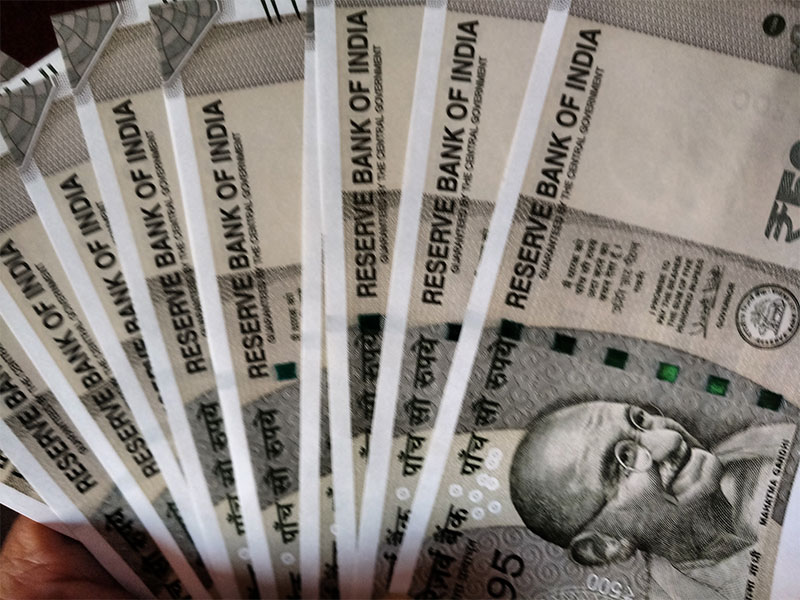
Income tax-slabs for FY 2025-26: No income tax on income up to income Rs 12 lakh per annum
Revised Income Tax Slab Rates for FY 2025-26 In Budget 2025, Finance Minister Nirmala Sitharaman announced significant changes to the income tax structure. One of the most notable highlights was the increase in the tax exemption limit, which is expected to boost disposable income and simplify tax compliance for individuals. New tax slabs under new…
Read article
Income Tax rebate and deductions available under New and Old tax regimes
Updated on 01.02.2025 The taxpayers who opt for a New regime are still eligible to claim certain tax exemptions. Here are the details of incomes that are as well exempted from income tax in the event you opt for the new tax regime. Relief under Section 87A: For the Financial Year 2025-26 (AY 2026-27), an…
Read article
Residential Status under the Income Tax Act in India
The concept of residential status is pivotal under Indian income tax laws, as it determines the scope of taxable income in India. Residential status for income tax purposes may vary from year to year and differs significantly from the definitions under other Indian laws such as the Citizenship Act, Foreign Exchange Management Act (FEMA), Aadhaar…
Read article
Income Tax slabs and tax rates for FY 2022-23 both under old and new rules
Updated on July 18, 2022 The tax slabs and tax rates for the financial year 2020-21, 2021-22, and 2022-2023 remain the same. The rules for the old tax regime and the new tax regime are also the same as in previous years. The amount of rebate u/s 87A has been kept unchanged under both the…
Read article
Concept of Previous Year & Financial Year vis-à-vis Assessment Year
In accordance with Article 265 of the Constitution of India, “No tax shall be levied or collected except by the authority of law.” This provision establishes that taxation can only be imposed under duly enacted legislation by the appropriate legislative authority—be it the central or state governments, or local governing bodies such as municipal corporations.…

An Overview of the Tax Structure in India: Classification and Regulatory Framework
India’s taxation system operates within a three-tier federal structure comprising the Central Government, State Governments, and local municipal bodies. The framework is broadly classified into direct and indirect taxes, each governed by distinct authorities and applied in specific contexts. This article provides a comprehensive overview of the Indian tax structure, highlighting its classification, features, and…
Read article