

The status of Karta and women in HUF explained
(Article answers to the questions like whether younger coparcener can be made Karta when an elder sibling is alive, whether Daughters can also become Karta, whether the wife of the Karta can become Karta, whether there can be a HUF within a HUF, When the father was a Karta in his father’s HUF, who will…
Read article
RBI shortens the frequency of reporting by lenders to Credit Information Companies(CIC)
The Reserve Bank of India in exercise of the powers conferred by sub-section (1) of section 11 of the Credit Information Companies (Regulation) Act, 2005 (CICRA, 2005), directed that Credit Information Companies (CICs) and Credit Institutions (CIs )shall keep the credit information collected/maintained by them updated regularly on a fortnightly basis (i.e., as on 15th…
Read article
Shortly, in a few hours you will know the fate of the clearing cheque presented under CTS
RBI in its Statement on Developmental and Regulatory Policies on Thursday (August 8, 2024) announced the implementation of Continuous Clearing of Cheques under the Cheque Truncation System (CTS). The Cheque Truncation System (CTS) is an online Image-based Clearing System (ICS). In this system of clearing, the collecting bank need not present the physical cheque to…
Read article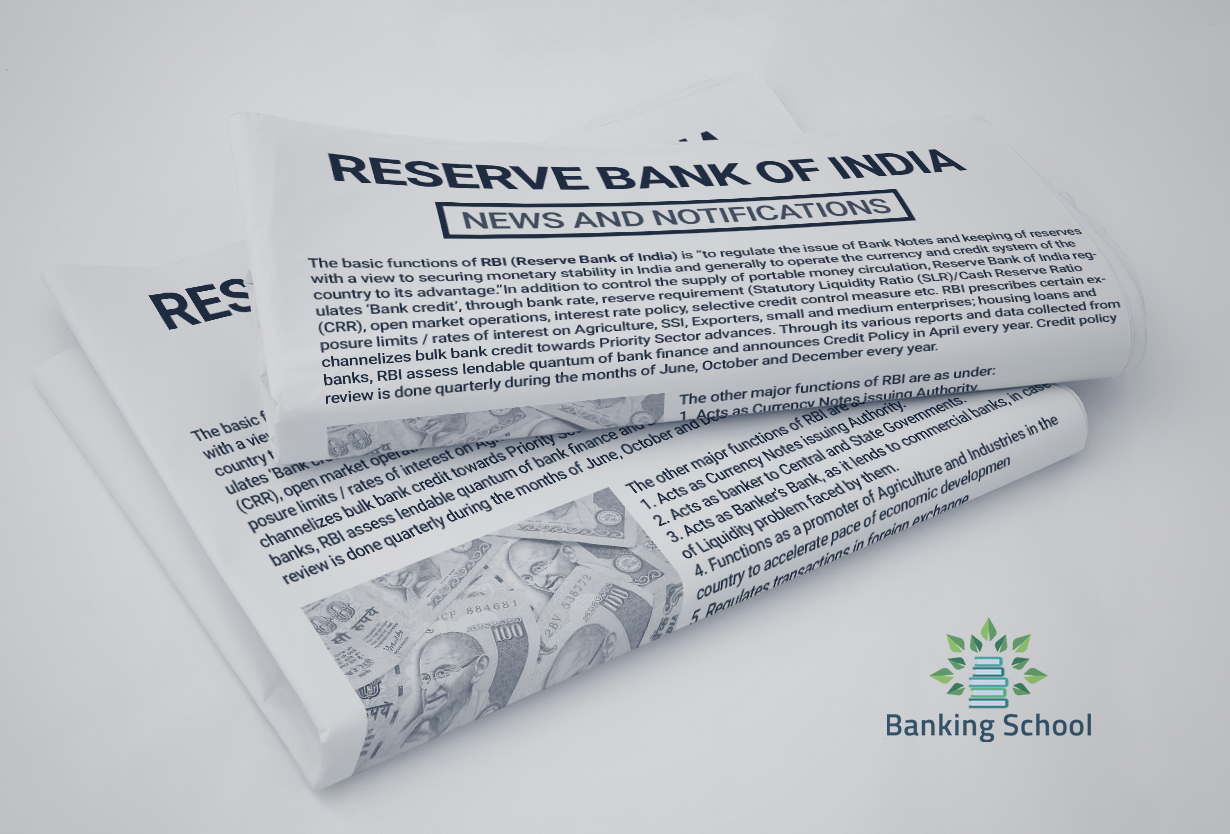
Statement of RBI MPC Meeting held today: Repo rate remains unchanged
“The Monetary Policy Committee held on Thursday (August 8) decided by a 4:2 majority to keep the policy repo rate unchanged at 6.5%. The MPC also decided to remain focused on withdrawal of accommodation to ensure that inflation progressively aligns with the target, while supporting growth. “These decisions are in consonance to achieve the medium-term…
Read article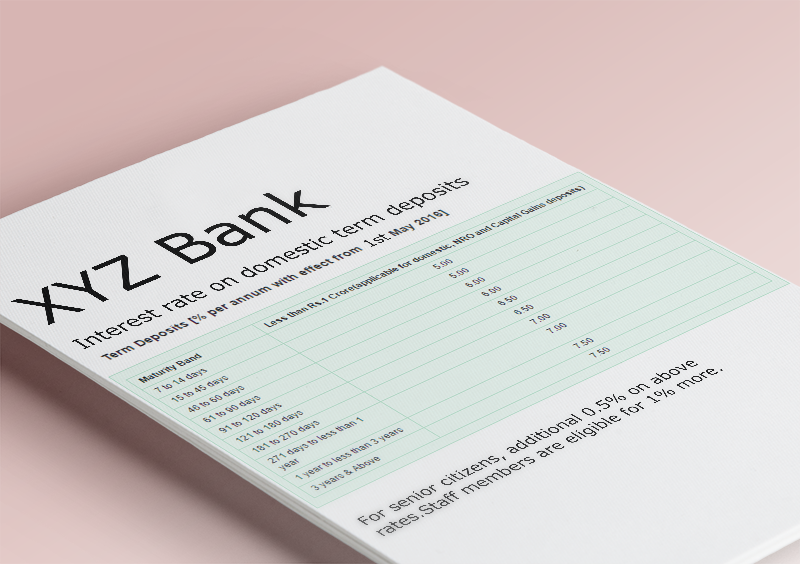
Overview: Know Your Customers (KYC) norms
This post explains Operational Aspects of KYC including Monitoring of Transactions. The KYC norms in banking and other financial institutions are a set of procedures and rules as outlined by the regulator RBI. The regulated institutions must follow to verify the identity and address of their customers. This process involves collecting and verifying documents that…

Interest Subvention Scheme for Agri and allied activities through KCC during 2024-25
Modified Interest Subvention Scheme for Short Term Loans for Agriculture and Allied Activities availed through Kisan Credit Card (KCC) during the financial year 2024-25 To provide short-term crop loans and short-term loans for allied activities including animal husbandry, dairy, fisheries, beekeeping, etc. up to an overall limit of ₹3 lakh to farmers through KCC at…
Read article