
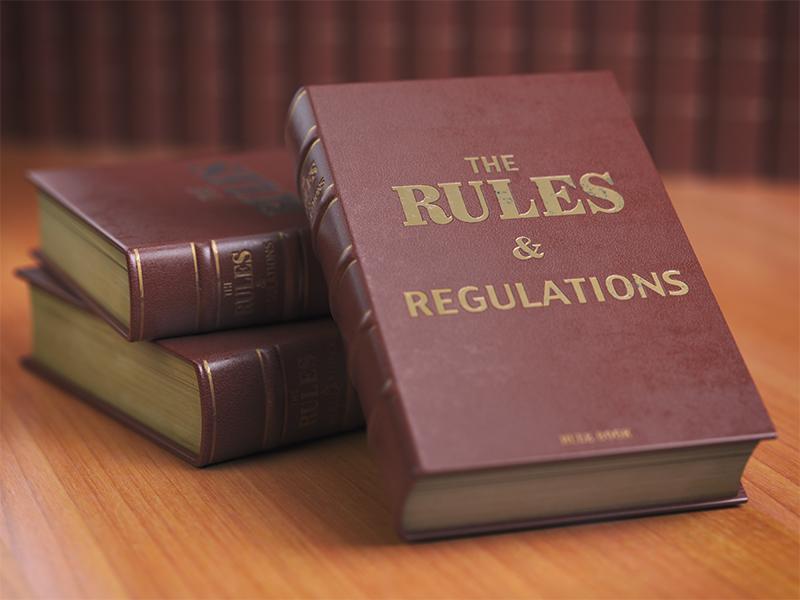
Difference between private limited and public limited company
The key differences between a Private Limited Company and a Public Limited company are tabled below. Particulars Public Limited Company Private Limited Company Minimum Number of share holders A Public limited company requires minimum 7 share- holders. A Private Limited Company requires minimum 2 share- holders. Maximum Number of Share Holders There is no limit…
Read article All -in -one Form INC-29 for registration/ Certificate of Incorporation of new company
The Ministry of Corporate Affairs (MCA) has introduced Form INC-29, for registration and obtaining the certificate of incorporation that lessens paperwork to a large extent. This 8 pages new form is used as an alternate process to do away with the earlier process of filling out several forms separately for allotment of DIN, Name of the company…
Read article
The Legal Services Authorities Act, 1987: Lok Adalats and Their Role in Speedy Justice
The Legal Services Authorities Act, 1987 was enacted with the objective of providing free and competent legal services to weaker sections of society, thereby ensuring access to justice for all. One of the most important mechanisms introduced under this Act is the Lok Adalat system, which promotes alternative dispute resolution to reduce the burden on…
Read article The Law of Limitation in Banking: Definitions, Computation, Fresh Period Triggers, and Key Schedule Provisions
This article provides a precise, action-oriented reading of limitation mechanics for banking disputes and recoveries. For drafting, litigation strategy, and collections operations, building a limitation dashboard keyed to instrument type, default date, and acknowledgment/part-payment events is the most reliable defense against time-barred claims. The Law of Limitation is the procedural backbone that determines when legal…
Read article Unpaid Seller: Rights of an Unpaid Seller
In commercial transactions, sellers often extend credit to buyers. However, when payment defaults occur, the seller faces financial risk. To protect their interest, the law recognizes a category called unpaid seller and grants specific rights to such sellers. Understanding these rights is vital for businesses, financial institutions, and legal professionals, particularly in the banking and…

CTS: Cheque Truncation System in India
RBI in its Statement on Developmental and Regulatory Policies on Thursday (August 8, 2024) announced the implementation of Continuous Clearing of Cheques under the Cheque Truncation System (CTS). The Cheque Truncation System (CTS) currently processes cheques with a clearing cycle of up to two working days. To improve the efficiency of cheque clearing and reduce…
Read article