
Constitution of Banks in India: Structure and Legal Framework
The Indian banking sector is one of the most regulated and systematically organized in the world. Its growth and stability are not by chance — they are rooted in a strong legal and constitutional framework that defines how banks are established, governed, and supervised. For banking professionals, policymakers, and even customers, understanding the **constitution of…
Read articleLegal Framework of Banking Regulation in India: Understanding the Business of Banking
Introduction The Indian banking sector is the backbone of the nation’s financial system. It fuels economic growth, supports financial inclusion, and mobilizes capital across industries and households. Because of its systemic importance, the business of banking in India operates under a robust legal and regulatory framework. This framework ensures stability, safeguards depositors’ interests, and aligns…
Read article
Understanding de-SPAC process
The de-SPAC process refers to the structured sequence through which a private operating company merges with a publicly listed SPAC, resulting in the former becoming a publicly traded entity. This process involves multiple phases including due diligence, negotiation, regulatory approvals, and shareholder consent, typically compressing the timeline compared to a traditional IPO. Key Stages of…
Read article SPAC IPO Agreements: Structuring the Path to Public Markets
Over the last few years, Special Purpose Acquisition Companies (SPACs) have re-emerged as an alternative route for private companies to go public. Unlike a traditional IPO, a SPAC allows a private company to merge with a listed “blank check” entity, achieving public status more quickly and with greater deal flexibility. At the heart of this…
Read article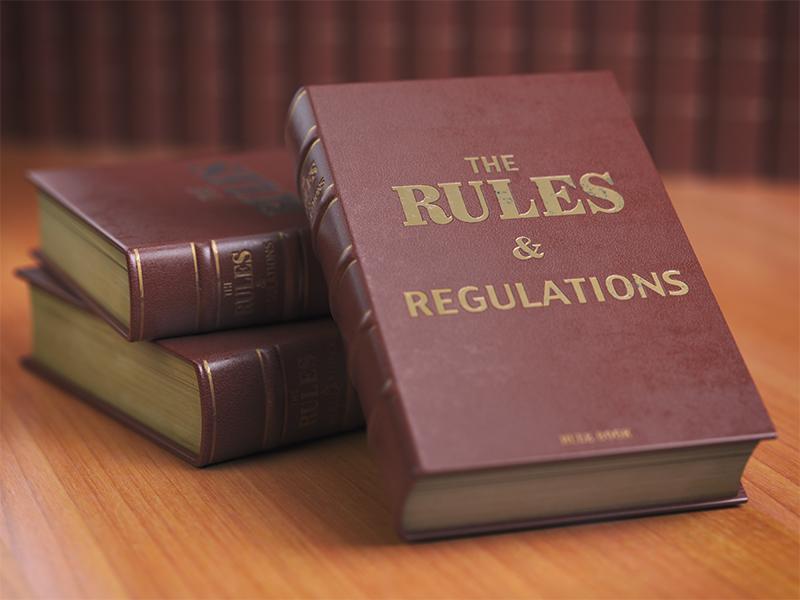
The important rules of the Banking Regulation Act, 1949?
Updated on 27.08.2025 The Banking Regulation Act, of 1949 is legislation in India that regulates all banking firms in India. Initially, the law applied only to banking companies. But, in 1965 it was amended to make it applicable to cooperative banks. The Banking Regulation (Amendment) Bill, 2020 amends the BR Act to expand RBI’s regulatory…
Understanding SPAC Forward Purchase Agreements
A SPAC forward purchase agreement (FPA) is a contract in which investors (often the SPAC sponsor or institutional investors) commit to buy a predetermined amount of SPAC units—typically consisting of common shares and warrants—at a set price upon the closing of the SPAC’s merger with its target company. What Is a SPAC Forward Purchase Agreement?…
Read article