
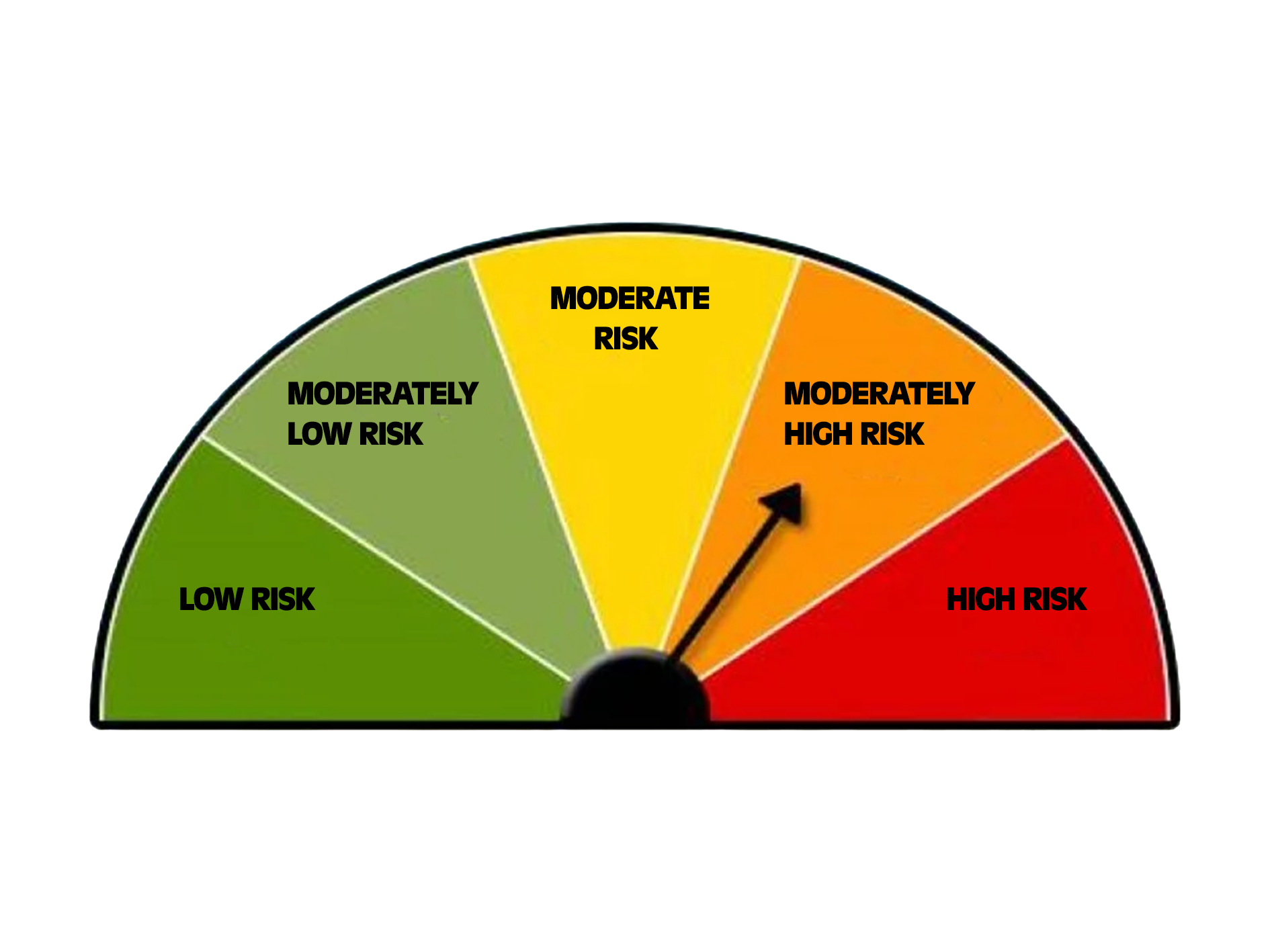
Credit Rating Symbols and Ratings Outlook
Rating symbols may vary depending on the type of debt instrument and the tenure i.e. long-term or short-term. Each rating symbol is an alpha-numeric representation of the degree of repayment risk associated with debt instruments. The following image gives you an idea about the symbols given by the CRAs. Credit rating agencies employ unique terminologies…
Read article Regulatory Guidelines on Credit Risk Management and Credit Information Systems
IntroductionThe Reserve Bank of India (RBI) has issued comprehensive guidelines on credit risk management with a specific emphasis on the development and utilization of Credit Information Systems. These guidelines are intended to strengthen the credit appraisal and monitoring mechanisms of financial institutions, reduce the incidence of Non-Performing Assets (NPAs), and promote a prudent and resilient…
Read article
What is NCLT?
The National Company Law Tribunal (NCLT) is the adjudicating authority (quasi-judicial authority) for the insolvency resolution process of companies and limited liability partnerships under the Insolvency and Bankruptcy Code, 2016. Previously, there were four different legal forums viz. High Courts, Company Law Boards, Board for Industrial and Financial Reconstruction (BIFR), and Debt Recovery Tribunal (DRT)…
Read article Understanding Credit Risk: Key Factors and Mitigation Strategies
IntroductionCredit risk, also referred to as default risk, represents the potential for financial loss resulting from a borrower’s failure to repay a loan or meet contractual debt obligations. It is a critical concern for financial institutions, investors, and other lenders, who must evaluate and manage this risk to protect their capital and ensure financial stability.…
Read article
Integrated Approach to Credit Risk Management and Credit Rating
IntroductionCredit risk management and credit rating are interrelated components of a sound lending framework, enabling financial institutions to evaluate and mitigate the risk of borrower default. While credit risk management encompasses internal strategies and procedures aimed at minimizing losses from defaults, credit ratings—typically assigned by external agencies—provide an independent evaluation of a borrower’s creditworthiness. Together,…
Timelines for large accounts under Insolvency and Bankruptcy Code 2016 (IBC)
(This post elucidates details of timelines for implementation of Resolution Plan (RP) and insolvency application to be filed by the lenders if a RP is not implemented as per the timeline.) In terms of RBI circular dated February 12, 2018, the ‘Resolution Plans’ (RP) under IBC shall be implemented within the timeline given below in…
Read article