

What is slippage ratio in banking?
The slippage ratio in banking is a measure of the rate at which a bank’s good loans turn into non-performing assets (NPAs). It is the ratio of new NPAs to the standard advances at the beginning of a year. Fresh accretion of NPAs during the year or a falling below the current position of standard…
Read article
Limitation of RATIO Analysis explained
The term ratio means a simple division of one number by another. It is measured by the number of times one number is contained by the other, either integrally or in fraction. The ratio analysis of financial statement means the process of calculating structural relations of different items and groups in the financial statements. Generally,…
Read article
What are the Capital instruments permitted for receiving foreign investment in India?
‘Capital Instruments’ means monetary instruments in capital markets such as equity shares, debentures, preference shares and share warrants issued by a company. Indian companies are permitted to raise money by way of capital instruments for their operational purposes. The instruments issued in capital markets are listed below: Equity shares: Equity shares are the shares joint-stock…
Read article Cash Budget pattern of financing
[Cash Budget pattern of financing seasonal productions like sugar, tea, and construction activities] The request for financial assistance from business enterprises dealing in seasonal products like sugar, tea, construction activities, film industries, order-based activities, etc. is facilitated by the banks through Cash Budget financing plans. In such a pattern of business dealings, the requirement of…
Read article
What is Scenario Analysis and sensitive analysis?
Scenario Analysis Scenario Analysis is a financial process through which investors & business managers can determine the amount of risk they are taking before making the investment or starting a new project. It is a way of structured thinking in which the earnings or value impact is computed for different interest rate scenario that may…
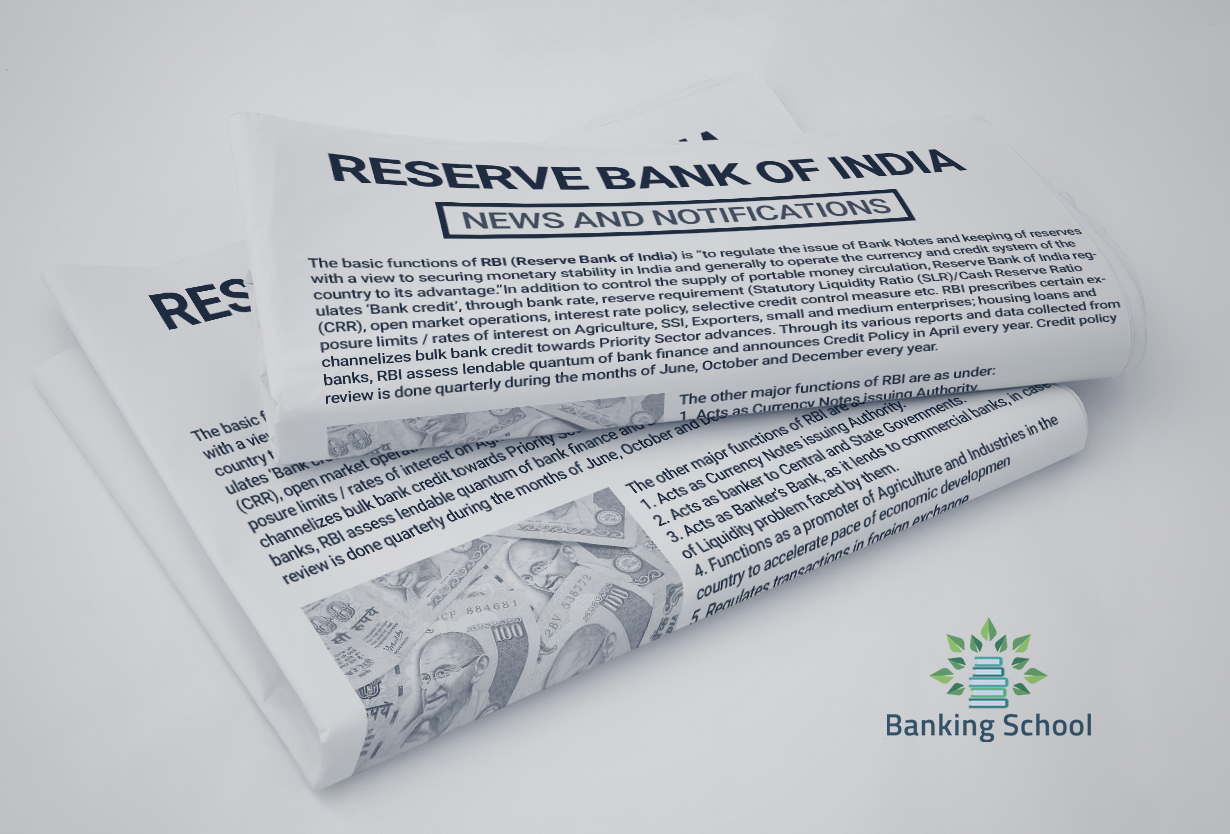
RBI elucidates eligible Non-Resident investment in debt instruments
RBI issued a Master Direction on January 7, 2025 – Reserve Bank of India (Non-resident Investment in Debt Instruments) Directions, 2025 Consolidating all earlier regulatory circular for debt instruments in India. These Directions shall be applicable with immediate effect. These Directions shall be applicable to all transactions by eligible non-residents in debt instruments. The following…
Read article