
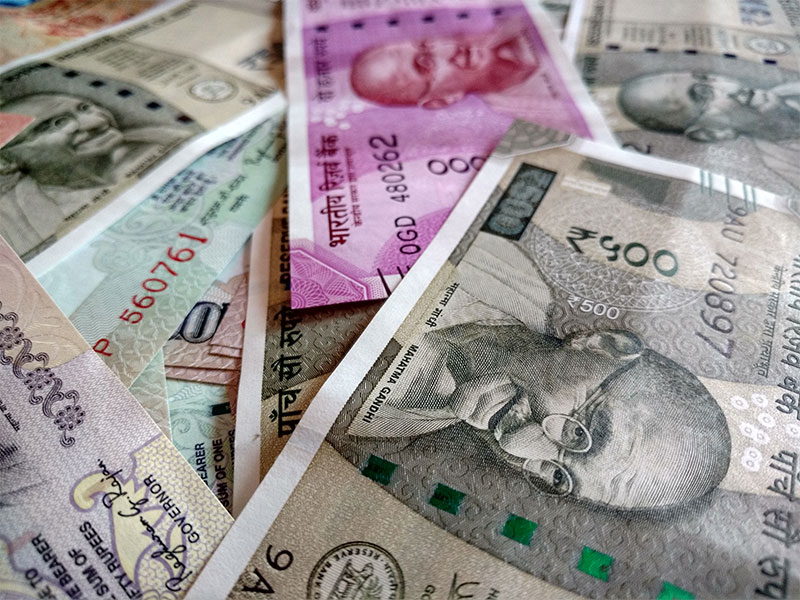
Cash management challenges and issues
Cash management challenges include poor cash flow forecasting, inconsistent revenue, late payments, high overhead costs, settlements or transactions in multiple currencies, regulatory changes, economic fluctuations, etc., which can strain the overall financial performance of an organisation. Cash flow refers to the real-time movement of money in and out of a business, showing the liquidity and…
Read article
Explained: Importance in Cash Management System (CMS)
Cash management refers to efficiently handling a business’s cash. The cash Management system covers a range of activities including managing bank accounts, ensuring sufficient liquidity to meet short-term obligations, optimizing cash flows, and making strategic investment decisions. The advantages of effective cash management of a business, Nowadays companies adopt Cash Management Systems designed and functioning…
Read article
Repatriation of Investments, income and Sale, Proceeds of Assets by NRI/PIO
Besides investment in Bank deposits, NRIs and PIOs can invest in various financial instruments in India with earnings being repatriable. These investments include stocks through portfolio investment scheme accounts, government securities, public sector undertaking Bonds, the National Pension Systems, or units issued by Infrastructure Debt Funds. Repatriation of all the foreign source investments and accrued…
Read article
Acquisition/Transfer of Immovable Property in India by NRI/PIO
NRIs can purchase immovable property in India, except for agricultural land, plantation property, and farmhouses. They can pay for the property using funds from inward remittances, debiting their NRE, FCNR(B), or NRO accounts, but not with traveler’s checks or foreign currency notes. NRIs can also acquire immovable property through gifts from Indian residents, NRIs, or…
Read article Mode of Acquisition of Immovable Property outside India by a resident of India
In terms of section 6(4) of FEMA, 1999 a person resident in India may hold, own, transfer, or invest in foreign currency, foreign security, or any immovable property situated outside India if such currency, security, or property was acquired, held or owned by such person when he was resident outside India or inherited from a…

Permitted Accounts in India for NRIs and PIOs
In terms of Regulation 2 of FEMA Notification No.13 dated May 3, 2000, Non-Resident Indian (NRI) means a person resident outside India who is a citizen of India. A person of Indian Origin (PIO) means a citizen of any country other than Bangladesh or Pakistan who had (a) at any time held an Indian passport…
Read article