

Challenges to be addressed in the FII sector and recent trends
India witnessed significantly lower or negative FII flows in Calendar Years 2021 and 2022. FII flows were negative US$ 16.5 billion in Calendar year 2022. FIIs have sold large amounts of Indian shares so far despite India’s strong corporate earnings and robust macroeconomic numbers. The major concern for FII’s could be valuations as the prices…
Read article
What are the important dimensions of economic development?
There are three main dimensions of development: economic, social, and environmental. The economic dimension deals with the efficiency of economic and technological activities, fostering investment and productivity, economic growth, and economic output potential. The economic dimension informs us on how to handle limited resources well and to use them in a way that will benefit…
Read article
What is the balance of payments?
We know that banks allow us to make payments only up to the credit balance available in our Savings Bank Account or Current Account. Whatever amount we have deposited to the account is credited to our account and whatever payments made through the account or amount withdrawn from the account is debited to the account.…
Read article
Economic development vs. economic growth
The terms ‘economic growth’ and ‘economic development’ sound similar. However, the two concepts are different. While economic growth is a quantitative concept, economic development is both a qualitative and qualitative concept. However, Economic development cannot be achieved without economic growth. Let us study here how they are different from each other. What is Economic Growth?…
Read article
Foreign Trade Policy: FTP policy – 2015-2020
A foreign trade policy provides a set of guidelines that help a country achieve its domestic production and export goals. The Government of India and the Ministry of Commerce and Industry release Foreign Trade Policies (FTP) every five years; the previous FTP (2015-20) came into effect in April 2015. FTP 2015-20 provides a framework for…
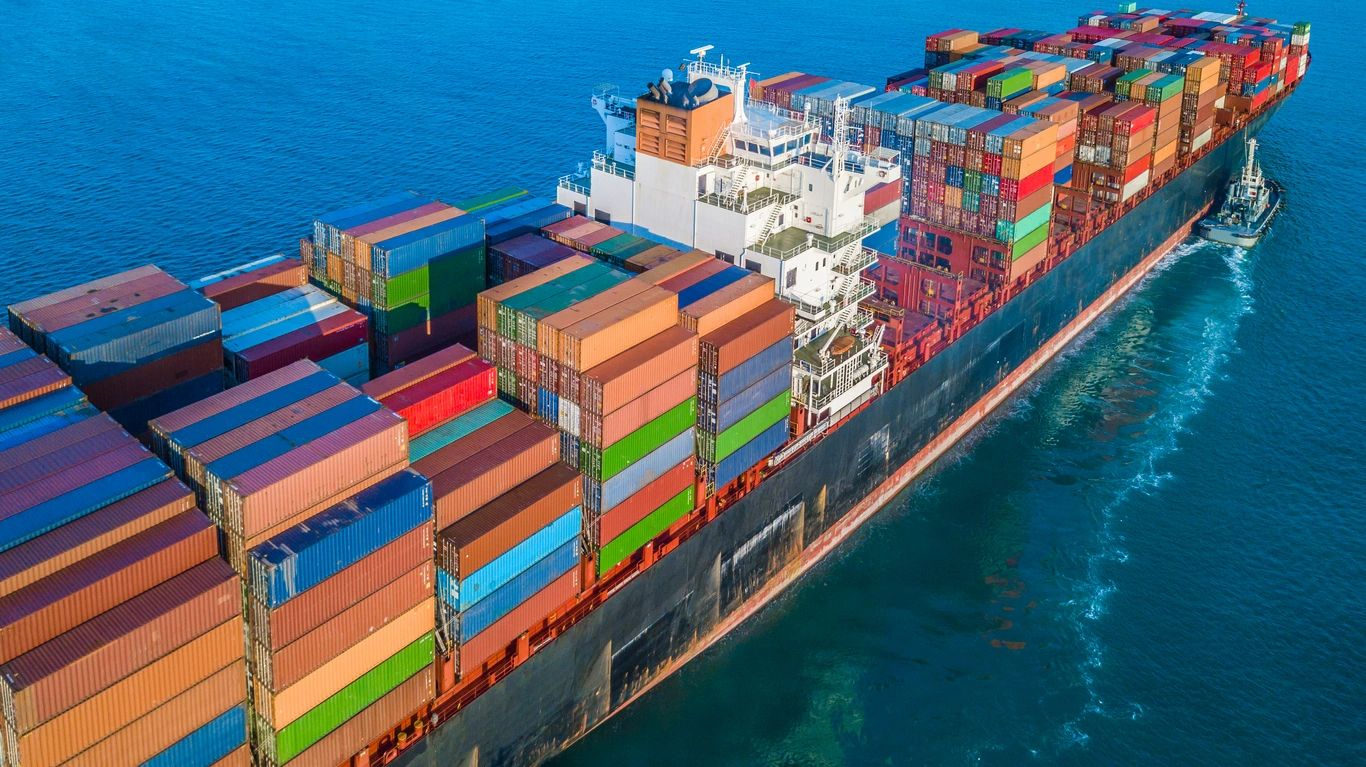
Foreign Trade Policy: FTP-Structural Changes during 1990s
The Foreign Trade Policy (FTP) is a policy framework that defines the government’s strategy for promoting trade and investments in the country. The FTP of India underwent several structural changes during the 1990s, which were crucial for the economic development of the country. The major changes to trade policy in the post-1991 period are a…
Read article