
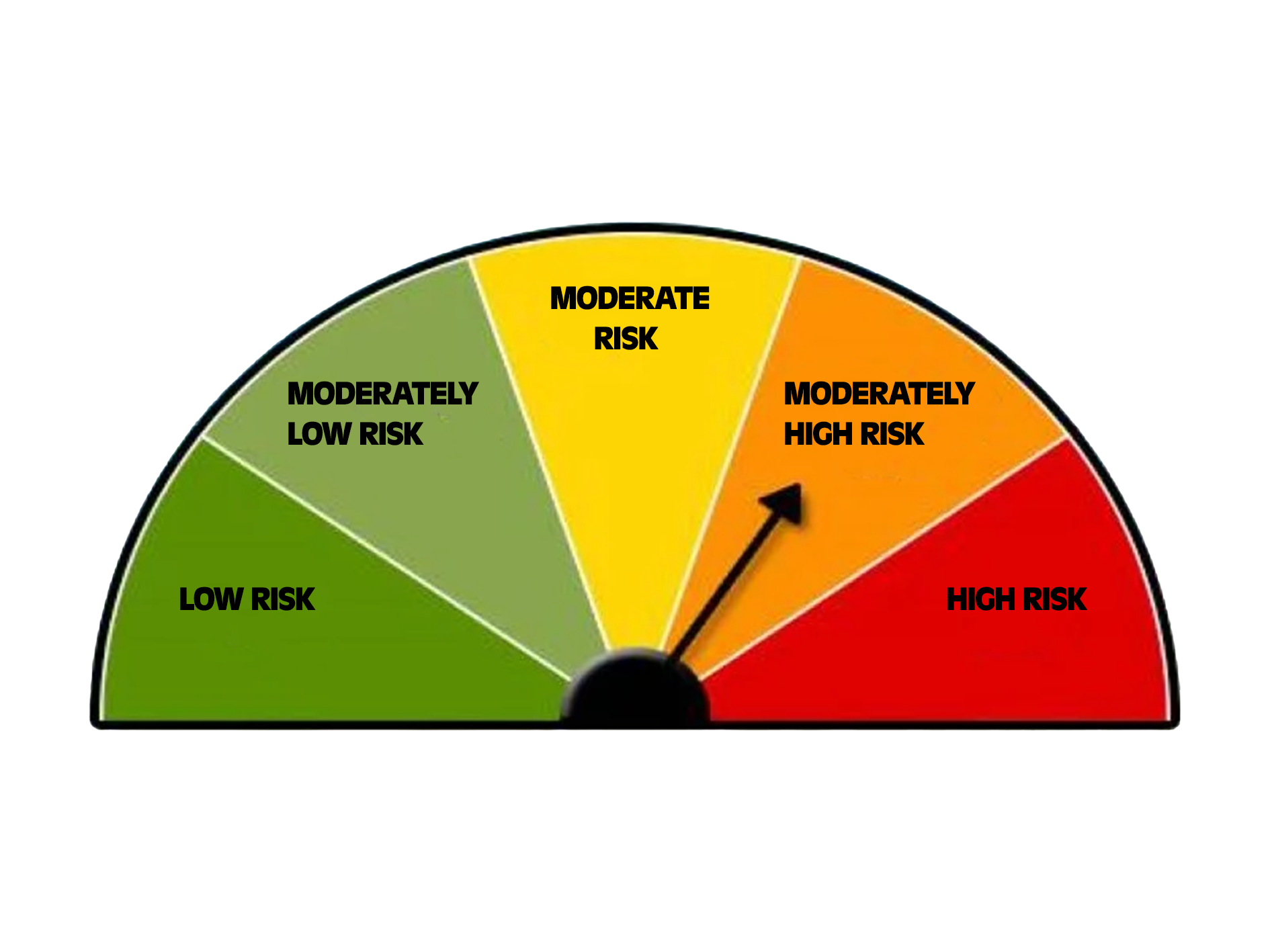
A Guide to Credit Risk: Balancing Borrower, Portfolio, Systematic, and Unsystematic Exposures
Credit risk is at the heart of banking and finance. Every loan or investment carries the possibility that the borrower may fail to meet repayment obligations, creating a serious challenge for financial institutions. A well-structured credit risk management framework helps in identifying, measuring, monitoring, and controlling this risk so that banks can protect their balance…
Read article Liquidity Risk Management: Concepts, Drivers, and a Robust Framework for Indian Banks
Subtitle: A practitioner’s guide to liquidity, solvency, measurement, stress testing, and governance IntroductionLiquidity is the ability of a bank to fund asset growth and meet obligations as they fall due without incurring unacceptable losses; solvency concerns long-term capital adequacy and balance sheet net worth. The two are related but distinct—institutions can be solvent yet illiquid…
Read article New Trends in Indian Banking and the Road Ahead for Risk Management
India’s banking system is in the midst of a decisive shift driven by digital public infrastructure, AI-enabled operations, regulatory tightening, and a renewed focus on resilience and inclusion. The go-forward risk agenda must integrate technology, governance, and forward-looking stress capabilities to safeguard growth while enabling innovation. Digital rails and embedded finance Responsible AI and analytics…
Read article Duration Gap, Stress Testing, and Backtesting in Bank ALM: A Practitioner’s Guide
Duration GAP Analysis, stress testing, and backtesting are foundational tools in a bank’s Asset-Liability Management (ALM) toolkit to manage interest rate risk and protect both earnings and economic value of equity (EVE). Structured measurement reports connect these analytics to governance, limits, and action. This article outlines a cohesive approach suitable for policy frameworks and ALCO…
Read article Enterprise Risk Management in Banking: A Comprehensive Perspective
Enterprise Risk Management (ERM) has emerged as a cornerstone of responsible governance and sustainable growth in the banking sector. As institutions operate in increasingly complex environments marked by regulatory pressures, technological advancements, and market volatility, a well-structured ERM framework ensures the identification, assessment, and management of both threats and opportunities. Enterprise Risk Management Defined ERM…
A Practical Playbook for Banks: Risk Measurement, Mitigation, Monitoring & Control, and MIS
Banks sustain resilience by turning risk into measurable metrics, reducing exposures through targeted actions, enforcing disciplined controls, and powering decision-making with a reliable Management Information System. This article lays out a practitioner-friendly framework and templates that can drop into policies and procedures. Risk measurement Risk measurement transforms uncertainty into decision-ready metrics across credit, market, liquidity,…
Read article