

What is Legal Entity Identifier (LEI) ?
Updated 05.01.2021: LEI is a 20-digit unique code to identify parties to financial transactions worldwide. Following the global financial crisis, the Legal Entity Identifier (LEI) code is conceived at the initiative of the ‘Group of 20, financial stability Board’. In the US and Europe, the regulations require the use of LEIs to uniquely identify counterparties…
Read article
How to calculate Discount rate/discount factor?
Discount rates, also known as discount factors, refer to the interest rate used in discounted cash flow (DCF) analysis to determine the present value of future cash flows. Another meaning of the term “discount rate” is the rate used by pension plans and insurance companies for discounting their liabilities. Third system of calculating discount rate…
Read article
What is the MUDRA loan?
MUDRA stands acronym for Micro Units Development & Refinance Agency Ltd. It is an institution of Government of India set up for development and refinancing activities relating to non-corporate micro-units. At present MUDRA is set up as a subsidiary of SIDBI, pending statutory enactment by the Government. Traditionally commercial banks and financial institutions in India…
Read article
What is the difference between IFRS and US-GAAP transfer pricing?
Companies across the world, while reporting the financial statement abide by the specific accounting regulations of their country of business. For example, companies that have business activities in India have to adopt the Indian Accounting Standard (abbreviated as Ind-AS) while reporting the financial statement, similarly, the Generally Accepted Accounting Principles (GAAP)’ of the US are…
Read article What is Benefit to cost ratio?
Benefit to cost ratio is used to calculate the NPV in a proportion or ratio format. Here, the present value of future cash flows is calculated on proportion method, though, the method of calculation is similar to NPV method. Benefit to cost= Present value of investment/ present value (PV) of future inflows. If the ratio…
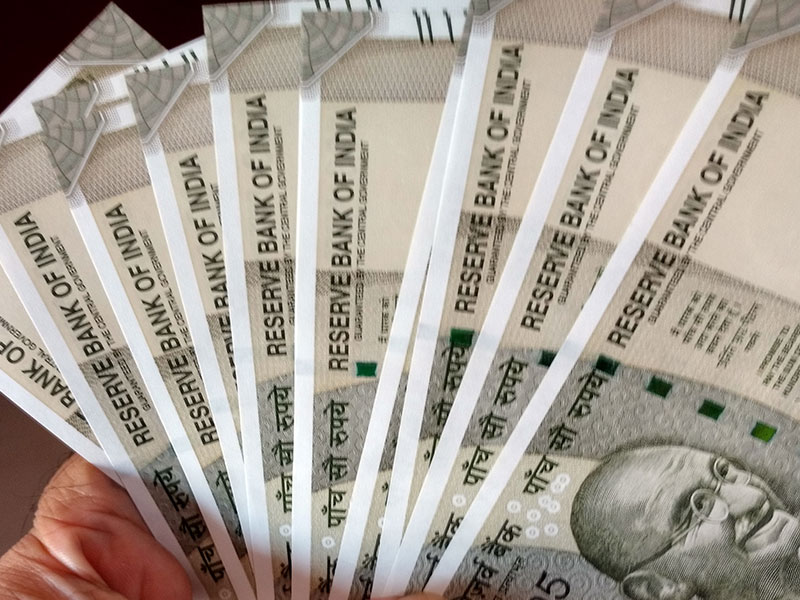
The Central Cabinet approves 2.11 lakh crore recapitalization package to public sector banks.
The Financae Minister Mr.Arun Jaitley, said that Cabinet approves 2.11 lakh crore recapitalization package to public sector banks. Of 2.11 crore, Rs 1.35 lakh crore will come from recap bonds, while the rest will come from the market and budgetary support.Finance minister informed that the entire Rs 2.11 lakh crore of capitalisation will be spread…
Read article