

Name change in banks on account of marriage or otherwise
The Government of India has since amended the prevention of money laundering rules 2005, keeping in mind the problems faced by person who change their name due to marriage or otherwise, in submitting ‘officially valid documents’. In rule 2 (1) clause (d) of PML third amendment, an explanation is inserted which reads as under. “Explanation:…
Read article
Introduction of National Pension System (NPS) for Non Resident Indians
In view of providing old age income security to the Non-Resident Indians (NRI), the investment option for NRIs under FEMA, 1999 is now introduced. Under the scheme, notified by RBI on October 29, 2015 the Non-Resident Indians (NRIs) may subscribe to the NPS governed and administered by the Pension Fund Regulatory and Development Authority (PFRDA)…
Read article
Loan to value ratio and Risk Weight percentage on housing Loans
Loan to value ratio means Loan amount disbursed by the bank proportionate to the property value.LTV ratio is calculated by dividing the amount borrowed by the appraised value of the property, expressed as a percentage. For example, if you buy a home appraised at Rs.1 Crore for its appraised value and make a Rs.20 lac…
Read article
What is the difference between Leasing finance and Hire-Purchase finance?
Leasing Finance: A lease is a contract between the owner (lessor) and the user (lessee). There are various types of lease viz. operating lease, finance lease, etc. In terms of lease agreement, the lessor pays money to the supplier who in turn delivers the article to the lessee. The lessee (hirer of the article) makes…
Read article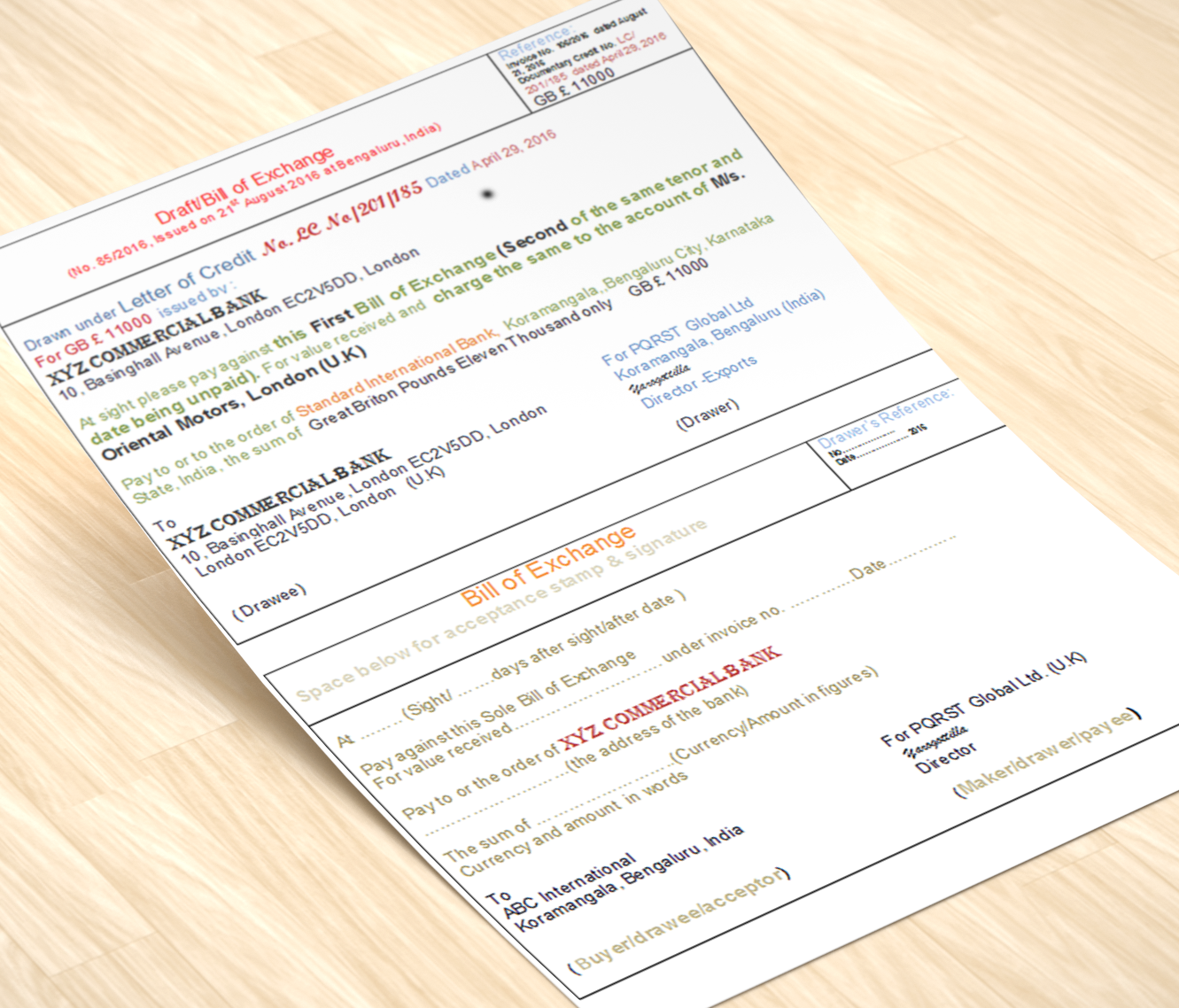
What’s the difference between Demand Bills Purchase and Usance Bills Discount?
Bills finance is short term and self- liquidating finance in nature. Demand Bills are purchased and Usance bills are discounted and the bills drawn under Letter of Credit (LC may be on sight draft or usance draft) are negotiated by the banks. The advantage of bills finance is that the seller of goods (borrower) gets immediate…

Government facilities to Micro and Small Enterprises
The Reserve Bank of India has recently launched National Mission for Capacity Building of Bankers for financing MSME sector (NAMCABS) for sensitizing and on imparting skills to bank officials. The main focus will be to up-skill 3 lakh banking personnel who have joined the system over the past six years and perhaps who have very…
Read article