

Why India’s GST tax system is considered regressive compare to tax system of other countries?
Paying taxes under a direct tax system or indirect tax system like GST is inevitable. In India, eighty percent of total revenue is earned by the Government through taxes, and the remaining twenty percent is from non-tax revenue like dividends earned from profits of public sector enterprises, interest, fines, regulatory charges, etc. The impact of…
Read article 18 per cent GST on bank charges for issue of cheque book and loose cheque leaves
The GST Council has agreed to levy an 18 percent cess on cheques, irrespective of whether they are in loose or in book form with effect from July 18, 2022. There will be a 5 percent GST if rooms worth more than Rs 5,000 (non-ICU) are rented out in hospitals.Pre-packed and labeled food items like…
Read article
What is Account Aggregator system in banking?
The Account Aggregator (AA) system is a financial data exchange where banks, fintech, or NBFCs can exchange customer data after taking consent from such users. The entities which facilitate the data exchange are known as account aggregators. Under the account aggregator system, a lender who requests the data is called financial information user (FIU), and…
Read article
RBI liberalises with several measures to improve the forex in-flow
RBI today announced several measures in order to enhance forex inflows to the country while ensuring overall macroeconomic and financial stability. “The global outlook is clouded by recession risks. Consequently, high-risk aversion has gripped financial markets, producing surges of volatility, sell-offs of risk assets, and large spillovers, including flights to safety and safe-haven demand for…
Read article
The latest rise in corporate credit amplified the demand for priority sector lending certificates (PSLC)
The jump in lending to corporate borrowers has driven up demand for priority-sector lending certificates (PSLC), forcing banks to pay a higher premium to meet regulatory lending targets. The total Priority Sector lending of a domestic commercial bank should be 40 per cent (target for foreign banks 32%) of Adjusted Net Bank Credit or Credit…
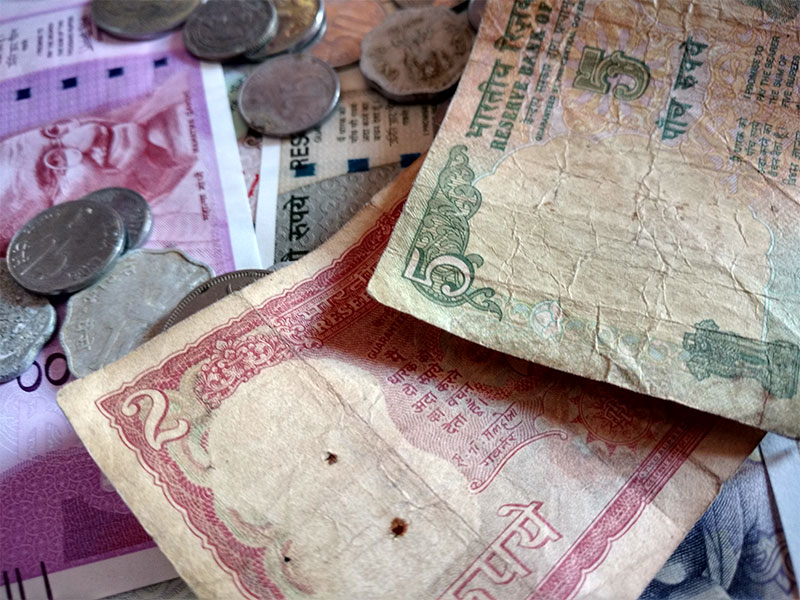
RBI issues new guidelines on Note Authentication and Fitness Sorting Parameters
The Reserve Bank of India (RBI) on Friday revised the existing guidelines for authentication and sorting the new series of banknotes and issued guidelines directing banks to test their banknote sorting machines on a quarterly basis. “In the backdrop of introduction of the new series banknotes, these parameters have been reviewed and a revised set…
Read article