
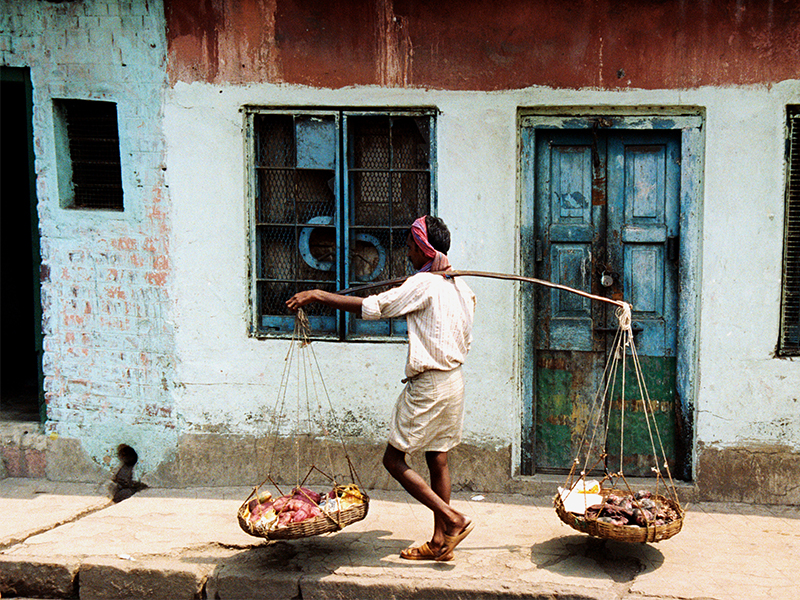
Poverty Alleviation in India: Programs, Assessment, and the Way Forward
Concept and objectives Poverty alleviation in India seeks to reduce multidimensional deprivation by improving incomes, nutrition, housing, health care, education, and access to basic services through targeted schemes and systemic reforms focused on inclusion and resilience. The overarching objective is to break intergenerational poverty by combining income support with asset creation, human capital development, and…
Read article
Priority Sector Lending in India: Evolution, Guidelines, and Performance Measurement
Evolution of PSL Priority Sector Lending (PSL) emerged from credit policy prescriptions in the late 1960s to channel institutional credit to underserved sectors critical for inclusive growth, gaining shape alongside bank nationalization in 1969 and subsequent policy frameworks in the 1970s. The concept was formalized through targeted prescriptions after early studies and working groups, culminating…
Read article
Overview: Performance and Credit Rating Scheme (PCRS) and the Framework for Revival and Rehabilitation of MSMEs
Performance and Credit Rating Scheme (PCRS) The Performance and Credit Rating Scheme (PCRS) was implemented by the National Small Industries Corporation (NSIC) on behalf of the Ministry of Micro, Small and Medium Enterprises (MSME). Although the scheme has since been discontinued, its objectives and methodology established an important foundation for the credit rating of MSMEs…
Read article
The Kisan Credit Card (KCC) Scheme: A Policy Instrument for Inclusive Agricultural Finance
The Kisan Credit Card (KCC) Scheme is a flagship farmer-centric initiative of the Government of India, designed to ensure timely and adequate credit support from the formal banking system. Introduced with the objective of streamlining agricultural lending, the scheme provides simplified and flexible procedures to meet the diverse financial needs of cultivators. The scheme extends…
Read article Project Concepts, Appraisal Frameworks, and Model Bankable Projects in Indian Agriculture and Allied Sectors
Projects in agriculture and allied sectors are structured undertakings to create productive assets that generate incremental income, requiring systematic formulation and appraisal to ensure technical, financial, and market viability; NABARD’s model bankable projects, refinance support, and sectoral guidelines provide standardized templates and costing to expedite bankability and execution across subsectors like irrigation, mechanization, horticulture, dairy,…

How India Supports MSMEs: SIDBI, RBI Policies, and Government Initiatives Explained
SIDBI anchors India’s MSME development through refinance, direct credit, guarantees, analytics, and scheme management, while RBI’s policy prescriptions on priority sector lending, restructuring, and digital rails shape bank behavior; concurrently, Government of India initiatives spanning registration, guarantees, procurement, skilling, clusters, and payments underpin ecosystem growth even as MSMEs face structural constraints in credit, markets, skills,…
Read article