
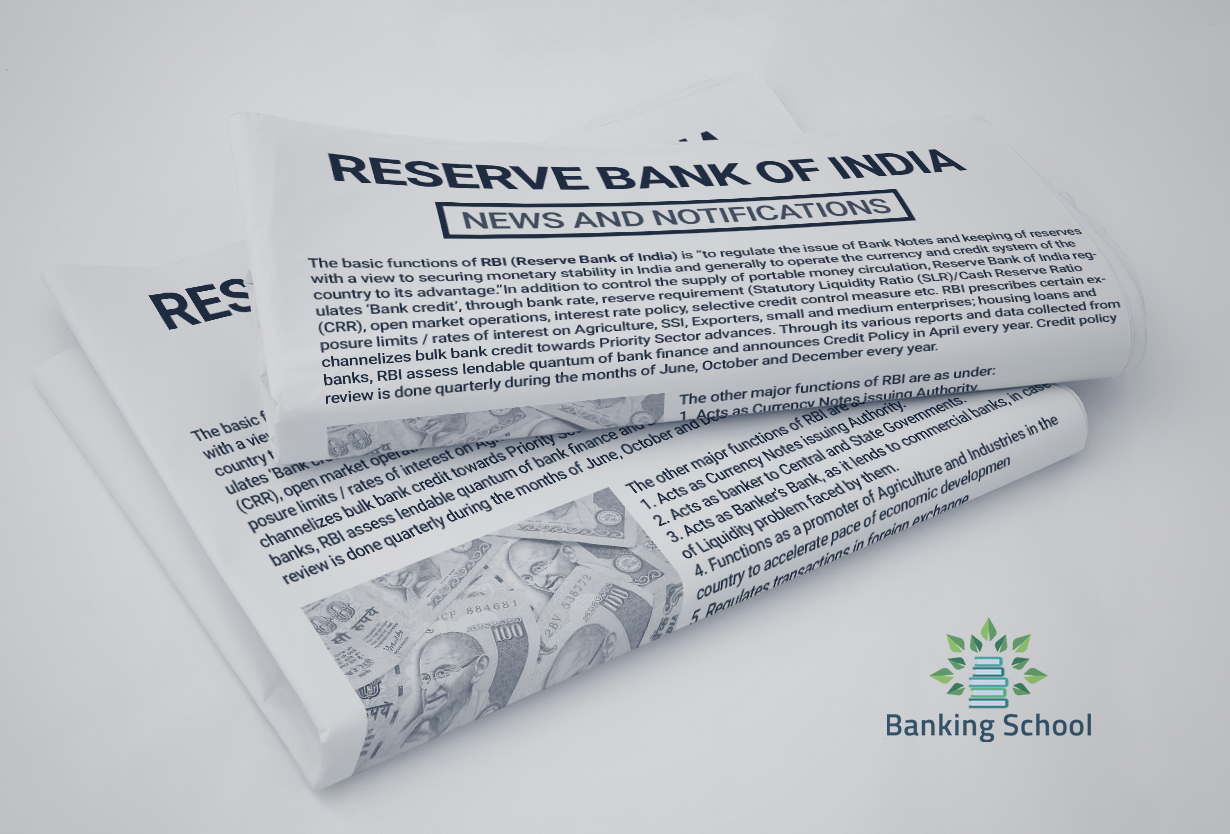
Revised Procedure for Transfer of Unclaimed Amounts to the Depositor Education and Awareness (DEA) Fund
In accordance with the updated regulatory guidelines, all banks are required to transfer to the Depositor Education and Awareness (DEA) Fund (“the Fund”) the amounts becoming due in each calendar month. These include proceeds from inoperative accounts and balances that have remained unclaimed for ten years or more, along with interest accrued on interest-bearing deposits…
Read article
Talent Management and Succession Planning: Building a Sustainable Leadership Pipeline
Introduction Talent management and succession planning are critical functions within human resource (HR) strategy, designed to ensure organizational stability, growth, and long-term success. HR professionals play a pivotal role in designing and implementing initiatives that not only attract and retain top talent but also prepare individuals for key roles across all levels of the organization—not…
Read article
The Transformative Role of Learning in Attitude Development, Career Planning, and Self-Development
Introduction Learning is a dynamic and lifelong process that plays a pivotal role in shaping an individual’s attitudes, guiding career planning, and fostering holistic self-development. By enhancing skills, broadening knowledge, and refining one’s approach to challenges and opportunities, learning significantly contributes to both personal fulfillment and professional success. 1. Attitude Development Shaping PerspectivesStructured learning, particularly…
Read article
Strategic Importance of Learning and Development in Organizational Success
Introduction Learning and Development (L&D) is a structured and continuous process aimed at enhancing employees’ skills, knowledge, and competencies to improve individual and organizational performance. L&D plays a pivotal role in fostering employee growth, ensuring alignment with organizational objectives, and sustaining competitive advantage. By encompassing the development of technical proficiencies, soft skills, and behavioral attitudes,…
Read article
Human Resource Development and Its Subsystems: A Strategic Approach to Organizational Growth
Introduction Human Resource Development (HRD) is a vital framework within an organization aimed at enhancing the skills, knowledge, and capabilities of employees through structured development initiatives. As a specialized subset of Human Resource Management (HRM), HRD plays a strategic role in strengthening both individual performance and organizational effectiveness. It encompasses a broad array of activities,…

Evolution of Human Resource Functions in India: From Administrative Roles to Strategic Leadership
The evolution of Human Resource (HR) functions in India has been marked by a significant transformation—from basic administrative responsibilities centered on industrial relations to a strategic role that actively contributes to organizational growth and success. This development has paralleled broader economic, technological, and cultural shifts within the country, particularly the expansion of the service sector…
Read article