

Supervision and Control of Treasury Functions: Key Aspects and Importance
Treasury supervision and control encompass the oversight of an organization’s financial assets, liquidity, and risk exposures to ensure efficient fund utilization, financial stability, and sound cash flow management. Effective treasury management involves a broad range of responsibilities, including cash and liquidity management, financial risk assessment, strategic planning, and regulatory compliance. Key Aspects of Treasury Supervision…
Read article Use of Derivatives in Risk Management
Derivatives are financial instruments whose value is derived from an underlying asset, such as a stock, commodity, currency, or interest rate. They are widely used in financial markets for hedging risks and speculating on price movements. In the context of risk management, derivatives serve as powerful tools to mitigate exposure to adverse price changes, manage…
Read article
Market Risk Mitigation in Banking: A Structured Approach to Financial Stability
IntroductionMarket risk mitigation is a critical function in banking, aimed at identifying, measuring, and mitigating potential losses arising from adverse movements in financial markets. These risks include fluctuations in interest rates, foreign exchange rates, equity prices, and commodity prices. To manage these effectively, banks implement comprehensive risk management frameworks that combine internal policies with regulatory…
Read article
Value at Risk (VaR) and Duration: Distinct Measures of Financial Risk
Value at Risk (VaR) and Duration are both widely used financial risk measures; however, they assess different dimensions of risk. While VaR provides a general estimate of potential losses in a portfolio over a specified time horizon, Duration specifically measures the sensitivity of bond prices to changes in interest rates. Understanding both is essential for…
Read article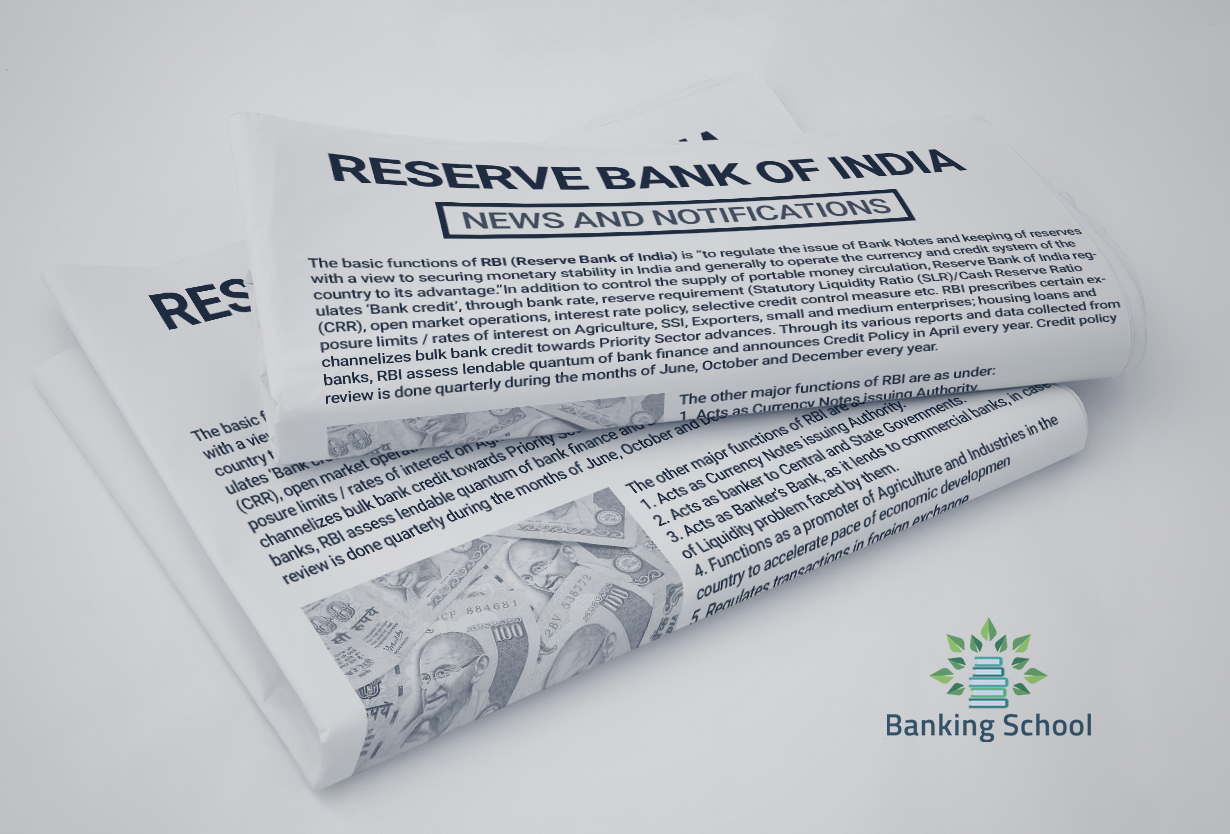
The Liquidity Adjustment Facility (LAF): A Key Tool for Monetary Policy and Liquidity Management
The Liquidity Adjustment Facility (LAF) is a vital monetary policy instrument used by the Reserve Bank of India (RBI) to regulate liquidity in the banking system and influence short-term interest rates. It allows banks to address their daily liquidity requirements by borrowing from or lending to the RBI. Through LAF, the RBI ensures stability in…
Credit Risk Mitigation: Strategies for Strengthening Financial Stability and Lending Resilience
Credit risk mitigation refers to the strategic measures and techniques employed by lenders to reduce potential financial losses resulting from borrower defaults. These practices are essential for safeguarding institutional capital, enhancing portfolio quality, and maintaining long-term financial stability. Effective credit risk mitigation involves comprehensive risk assessment, prudent loan structuring, and proactive monitoring and management. Key…
Read article