

What are 17 Sustainable Development Goals (SDGs) adapted by UN?
The Sustainable Development Goals (SDGs), also known as the Global Goals, were adopted by the United Nations in 2015 as a universal call to action to end poverty, protect the planet, and ensure that by 2030 all people enjoy peace and prosperity. The Global Goals are a set of 17 commitments made by 193 world…
Read article India’s progress in SDGs including Climate change, and CSR Activities
The Sustainable Development Goals (SDGs), also known as the Global Goals, were adopted by the United Nations in 2015 as a universal call to action to end poverty, protect the planet, and ensure that by 2030 all people enjoy peace and prosperity. India along with other countries has signed the declaration on the 2030 agenda…
Read article
Global Issues and initiatives
Global issues are problems of economic, environmental, social, and political concerns that affect the entire world as a community. As globalization advances, the number of issues like Clean Water, Food Security, Health, Human rights, maternal health, Girls’ access to education, digital access, Foreign Aid Budgets, Women’s Rights, Refugees, and so on has been increasing. These…
Read article
Core elements of Sustainable Development
Sustainable development or ‘Sustainability for development’ refers to the development that is done without damaging the environment and other resources. In other words, Sustainable development is a development that meets the needs of the present without compromising the ability of future generations to meet their own needs. Sustainable development simply means that resources should be…
Read article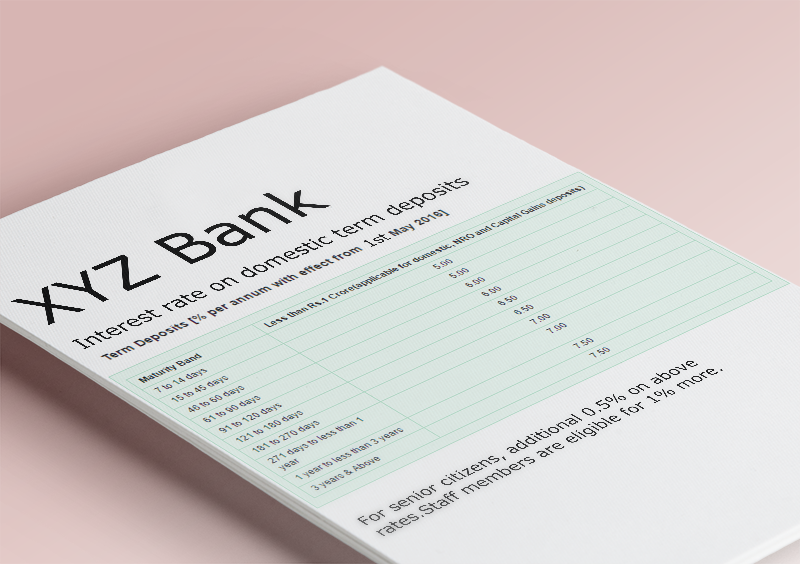
Non-standard practices of charging interest by lenders: RBI directs corrective action
The Reserve Bank of India today, in its circular informed that during the onsite examination of Regulated Entities (Banks, NBFCs, and FIs) for the period ended March 31, 2023; it came across instances of lenders resorting to certain unfair practices in charging of interest. Some of the unfair practices noticed by the Central Bank are…

International Economic Organizations: The World Bank
The World Bank was established in 1944 in the name of the International Bank for Reconstruction and Development (IBRD) to help rebuild Europe and Japan after World War II. The Bank began operations in 1946, it had 38 members. At present this international development organization has members of 187 countries. The World Bank aims to…
Read article