

Funding and Regulatory Aspects of Reserve Assets
Reserve assets are critical components of a nation’s financial system, playing a central role in maintaining economic stability, supporting international trade, and ensuring confidence in the national currency. Managed primarily by central banks and regulatory authorities such as the Reserve Bank of India (RBI), these assets include foreign currency holdings, gold reserves, Special Drawing Rights…
Read article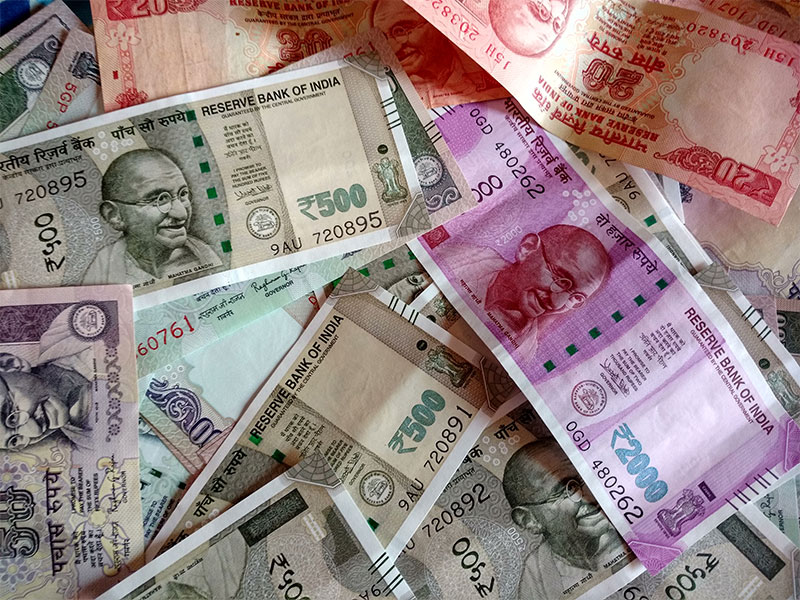
Cash Reserve Ratio (CRR) – Meaning and Calculation
Cash reserve ratio (CRR) is a statutory provision in India regulated by RBI under Section 42(1) of the Reserve Bank of India Act 1934. According to the above section, every scheduled bank in India needs to hold on a certain percentage of cash without being allowed to invest or lend it for interest. The Cash…
Read article
Meaning of Statutory Liquidity Ratio (SLR)
Under Section 24 and Section 56 of the Banking Regulation Act, 1949, every Scheduled Commercial Banks (Including Regional Rural Banks), Local Area Banks, Small Finance Banks and Payments Banks in India are required to maintain in the form of cash, or gold or unencumbered investment in any of the following instruments (“SLR securities”)], namely:- (i)…
Read article
Regulatory Environment for International Equity and Debt Products
IntroductionInternational equity and debt products offer investors opportunities to diversify their portfolios and gain exposure to global financial markets. These investment vehicles, however, operate within complex regulatory frameworks designed to protect investors and ensure transparency and compliance. This article outlines the key features of international equity and debt products and the regulatory environment governing them,…
Read article
External Commercial Borrowings (ECB): Key and other relevant concepts
External Commercial Borrowings (ECBs) refer to loans raised by eligible Indian entities from recognized non-resident entities. These borrowings are governed under the Foreign Exchange Management Act (FEMA), 1999, and regulated by the Reserve Bank of India (RBI). ECBs serve as a significant source of foreign capital for Indian businesses and are primarily utilized for infrastructure…

Comparison Between Domestic and Global Markets
Domestic markets, also referred to as home or internal markets, operate within the geographical boundaries of a single country. In contrast, global markets encompass cross-border trade and marketing activities involving multiple countries. Businesses operating in domestic markets tailor their strategies to local customer preferences, while those in global markets must adapt to diverse cultural, economic,…
Read article