
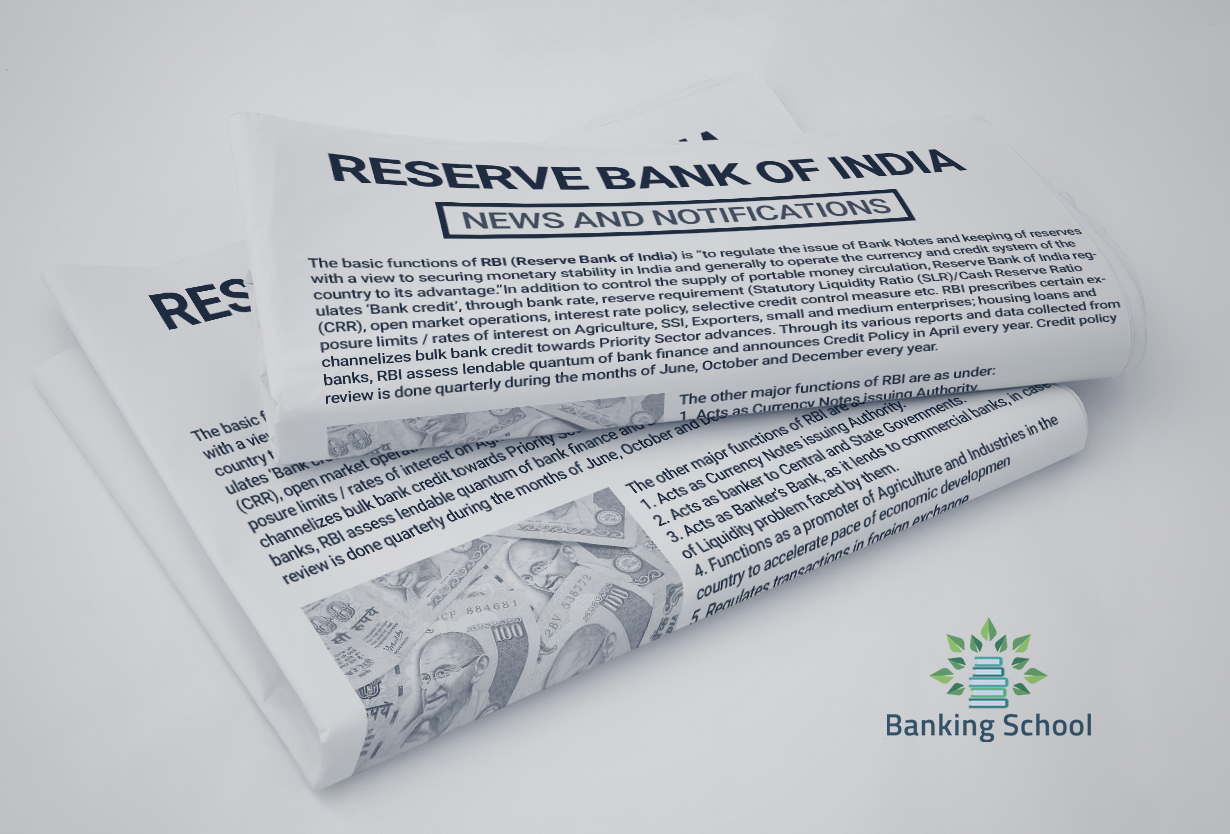
Cash Reserve Ratio (CRR) in India: Transmission, Bank Balance Sheets, and Macroeconomic Impact
The Cash Reserve Ratio (CRR) is a core liquidity tool of the Reserve Bank of India (RBI) that directly alters banks’ lendable resources, influences interest rates and credit growth, and transmits into inflation and output dynamics in the wider economy. Higher CRR tightens liquidity and credit conditions, while lower CRR releases primary liquidity, supporting credit…
Read article
Deregulation of Interest Rates on Savings Deposit Accounts
The deregulation of interest rates refers to the removal of government-imposed controls on the rates financial institutions charge or offer on loans and deposits. This shift enables banks and other institutions to independently set their interest rates, fostering a more competitive financial environment. The primary objectives of such deregulation include enhancing market efficiency, improving the…
Read article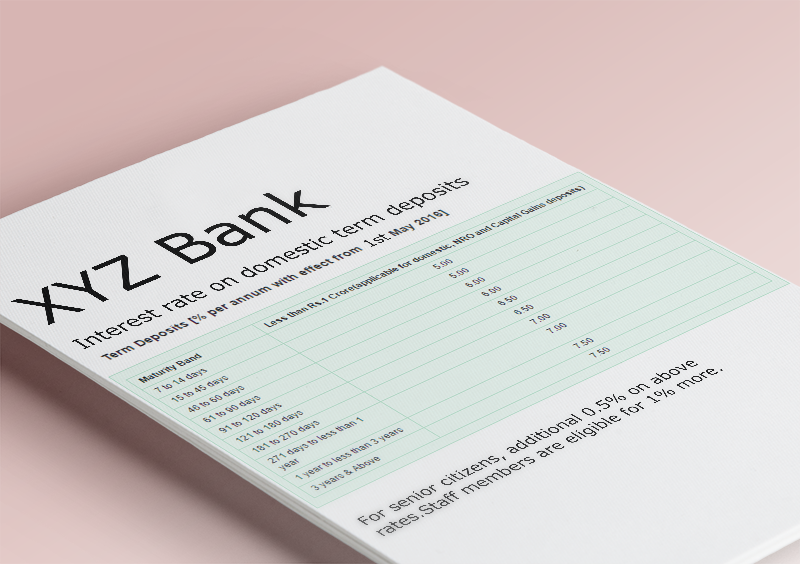
Compare Latest Bank Deposit Interest Rates in India: All Public & Major Private Banks at a Glance
Interest rates on bank deposits vary across institutions in India. To help you stay informed, we’ve compiled the latest deposit interest rates offered by all public sector banks and leading private sector banks. In the lists below, banks are arranged alphabetically under their respective categories —Public Sector Banks and Private Sector Banks. Next to each…
Read article
Distinction Between Income Tax Attachment and Garnishee Order in India: Implications for Banks
Income Tax Attachment and Garnishee Orders are both legal mechanisms that enable recovery of dues through attachment of funds held in banks. However, they differ significantly in terms of origin, procedure, and implications for banks. The following sections explain these distinctions in detail. Garnishee Order A Garnishee Order is issued by a Court attaching the…
Read article Understanding the Bank Rate in India: Evolution, Role, and Compliance Implications
Overview The Bank Rate in India is the standard rate at which the Reserve Bank of India (RBI) is prepared to buy or re-discount eligible bills of exchange or other commercial paper under Section 49 of the RBI Act, 1934. In modern practice, it functions primarily as an administered benchmark aligned with the Marginal Standing…

Central Bank of India Q2 FY26 Results: Profit Surges 33% YoY, Asset Quality Strengthens
Central Bank of India reported a standalone net profit of ₹1,212.88 crore for the quarter ended 30 September 2025 (Q2 FY26), marking a 32.86% year-on-year increase. The bank’s asset quality improved with Gross NPA at 3.01% and Net NPA at 0.48%. Total business reached ₹7,37,938 crore, supported by deposit growth and stable margins. The Net…
Read article