

Auto-replenishment of UPI Lite wallet – Inclusion under the e-mandate framework introduced
RBI today announced Automatic replenishment under the UPI Lite facility. Automatic replenishment ensures that users do not need to manually top up their UPI Lite wallets, making it easier to manage their offline transactions. This feature will be particularly beneficial for users in remote or rural areas where, internet connectivity is limited, as they can…
Read article
FASTags, NCMC payments made easier: RBI announces auto-replenishment facility
In the Statement on Developmental and Regulatory Policies, the Reserve Bank of India, Friday 7th June, announced recurring payments for Fastag, National Common Mobility Card (NCMC), etc. with an auto-replenishment facility under the e-mandate framework. The current e-mandate framework requires a pre-debit notification at least a 24-hours before the actual debit from the customer’s account.…
Read article
RBI MPC Meeting 7 June 2024: Repo rate remain unchanged, GDP projection 7.2 per cent
Presenting the second monetary policy statement of FY25, RBI Governor Shaktikanta Das about the Central Bank’s position on the economy said “Remains vigil on any upside risk inflation, especially food inflation. Economic growth is holding firm.” The RBI’s monetary policy committee on June 7 decided to keep the repo rate unchanged for the eighth time…
Read article
Know TDS for Cash deposit, withdrawal and other cash transaction limits
When you are depositing or withdrawing a certain specified amount in cash, you need to consider the following scenarios where you may be liable for tax liability. Besides, an assessee is liable to pay tax and, or penalty for the different types of transactions under various sections of the Income Tax Act. The details of…
Read article
Explained: NBFCs in India and RBI guidelines for NBFCs
A Non-Banking Financial Company (NBFC) is a company registered under the Companies Act, 1956. The companies predominantly engaged in financial activity are only getting registered with RBI as NBFCs. In other words, when a company’s financial assets out of the total assets are more than 50 percent and the company’s gross income from financial assets…
What is reserve money?
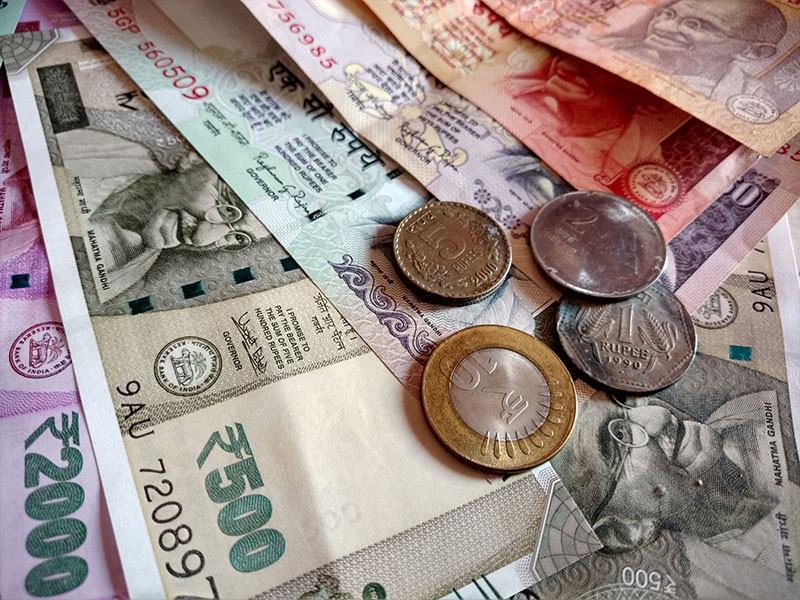
Reserve money is the most important form of money supply that functions as the monetary base of an economy. It is also called high-powered money, base money, and central bank money. Reserve money includes all of the currency (currency notes, coin, and e₹) in circulation, in addition to the banks’ deposits with the central bank,…
Read article