
What is reserve money?
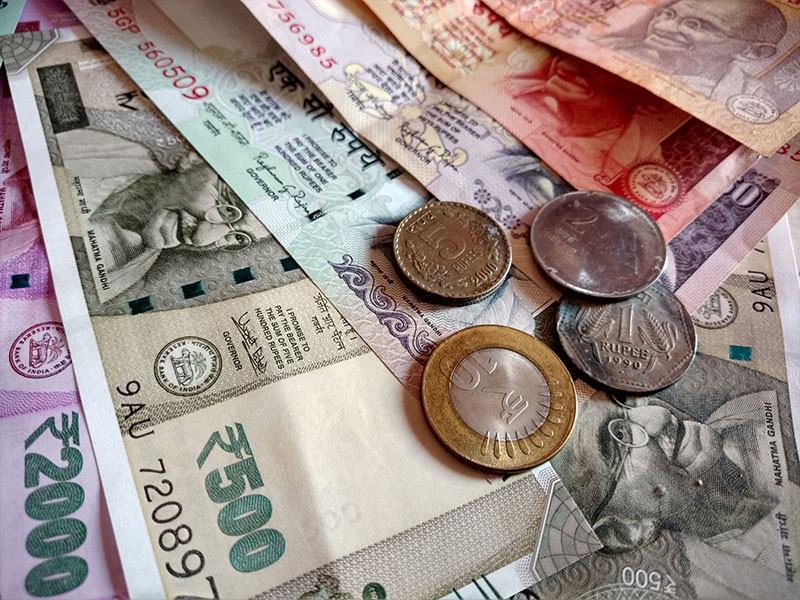
Reserve money is the most important form of money supply that functions as the monetary base of an economy. It is also called high-powered money, base money, and central bank money. Reserve money includes all of the currency (currency notes, coin, and e₹) in circulation, in addition to the banks’ deposits with the central bank,…
Read article
The concept of deficit expenditure of a government
There are three types of budgets in government budgets. They are known as Balanced Budget, Surplus Budget, and Deficit Budget. Balanced budget: When the expenditure planned by the government in the budget proposal is assumed to be balanced with the anticipated receipt for a fiscal year. It is called a balanced budget. Surplus budget: –…
Read article
What is a Union Budget?
[This article explains the meaning of Receipt budget, Non-debt receipt, capital budget, capital expenditure, department of expenditure, etc.] A Union budget is the annual spending plan of the Government based on the estimated income and expense of a nation for the next financial year. The objective of the Government Budget is a blueprint for stimulating…
Read article
National Income and GDP Concept
National income is the total monetary value of all goods and services produced by a country and income from abroad during a given period usually for one year. It is valued in terms of money. National income comprises GDP, GNP, NNP, PI, DI, and PCI. GDP (Gross Domestic Product) is the value of the goods…
Read article
How did Monetary Policy in India Respond to the Global Financial Crisis?
In 2008-09, the financial stresses peaked following the failure of the US financial firm Lehman Brothers in September 2008. This triggered a panic in financial markets globally. The world has witnessed one of the worst economic and financial crises during 2008-09 since the great depression of 1929. India too faced a financial crisis beside the…
The FRBM Act: FISCAL RESPONSIBILITY AND BUDGET MANAGEMENT ACT, 2003
The Fiscal Responsibility and Budget Management Act, of 2003, was enacted by the Indian government to institutionalise financial discipline, reduce India’s fiscal deficit, improve macroeconomic management and the overall management of public funds by moving towards a balanced budget, and strengthen fiscal prudence. The Act’s long-term objective is for India to achieve fiscal stability and…
Read article