
Banks in India cannot perennially rely on RBI’s money to support credit offtake: Shaktikanta Das
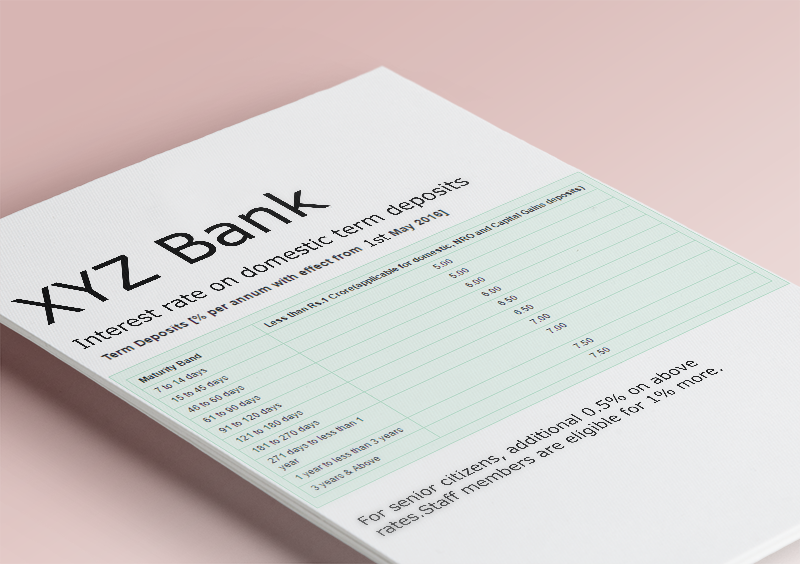
RBI Governor Shaktikanta Das on Friday said banks cannot perennially rely on the central bank’s money to support credit offtake and they need to mobilise more deposits to aid credit growth. Indian banks cannot perennially rely on the central bank’s money to support credit offtake and they need to mobilise more deposits to aid credit…
Read article
RBI hikes Repo rate by 50 BPS, other policy rates are also gone up
RBI Governor Shaktikanta Das-headed six-member monetary policy committee (MPC) on Friday decided to raise the repo rate by 50 basis points and announced the withdrawal of the accommodative stance, largely in line with expectations, making it a non-event. “On the basis of an assessment of the current and evolving macroeconomic situation, the Monetary Policy Committee…
Read article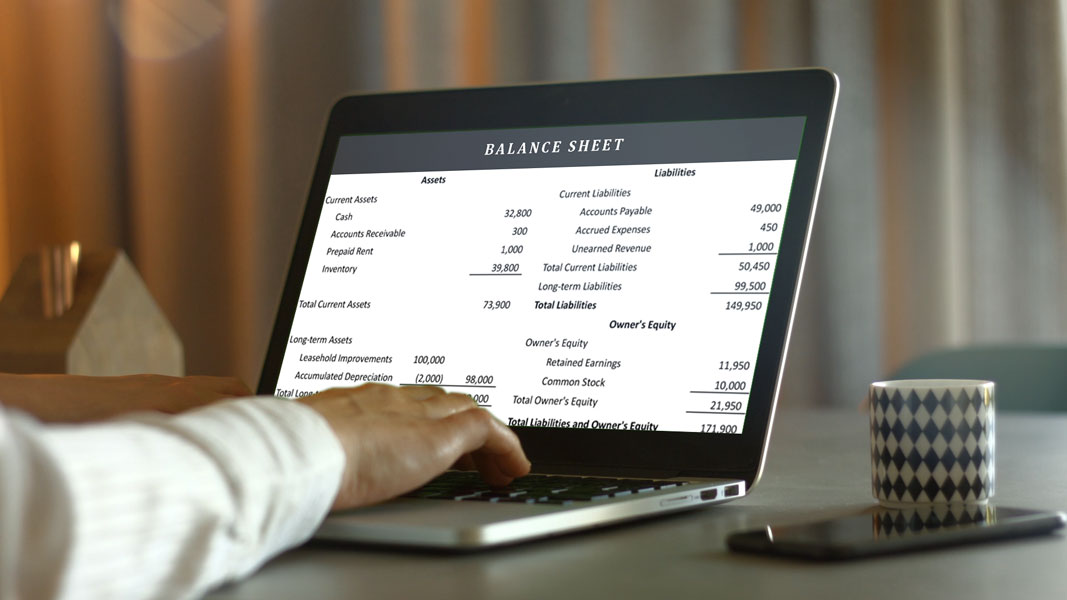
Twin balance sheet problem in India explained
The twin Balance Sheet Problem (TBS) refers to problematic balance sheets of both Indian companies and banks. Such a problem situation arises when both the lenders and borrowers are under stress. It is known as the twin balance sheet problem as the challenges faced by the banks are linked to that of the corporate sector…
Read article
Do you know the benefits that are lost for not filing ITR before the expiry of deadline?
The deadline for filing Income Tax Return (ITR) for the FY 2021-22 will lapse on July 31. This deadline is applicable for individuals whose accounts are not required to be audited. The Government has clarified that no further extension is given to individuals for FY 2021-22 (AY 2022-23). Following consequences and inconveniences are attached if…
Read article
DA (Dearness Allowance) for Bank officers and employees for the months of August-October 2022 (Confirmed)
Consumer Price Index for April, May, and June 2022 are respectively- 127.70, 129, and 129.20. It works out to 526 slabs in DA for the quarter of August 2022 to October 2022. Hence there will be an increase of 54 slabs in DA from August 2022 to October 2022. New DA Rate is 36.82 %. Click below…
Bank officers DA (dearness allowance) for the months of August-October 2022 (Confirmed)
Consumer Price Index for April, May, and June 2022 are respectively- 127.70, 129, and 129.20. It works out to 526 slabs of DA for the quarter of August to October 2022. Hence there will be an increase of 54 slabs in DA from August 2022 to October 2022. New DA Rate is 36.82 %. Basic Scale…
Read article